


When to Hire a Utility Trenching Contractor

A utility trenching contractor does more than dig a narrow path across your yard. The trench becomes the permanent home for water, sewer, electric, gas, drainage, or communication lines that your property depends on every day. If the depth is wrong, the bedding is poor, or the backfill is rushed, the repair can mean digging up a driveway, lawn, patio, or finished landscape later.
For homeowners, builders, and property managers, the best time to think carefully about trenching is before equipment arrives. The lowest digging price can become expensive when it leaves a line vulnerable to freezing, settling, damage, or drainage problems. Good utility work starts with a clear plan for the entire route and ends with a site that drains, functions, and looks right.
What a Utility Trenching Contractor Actually Handles
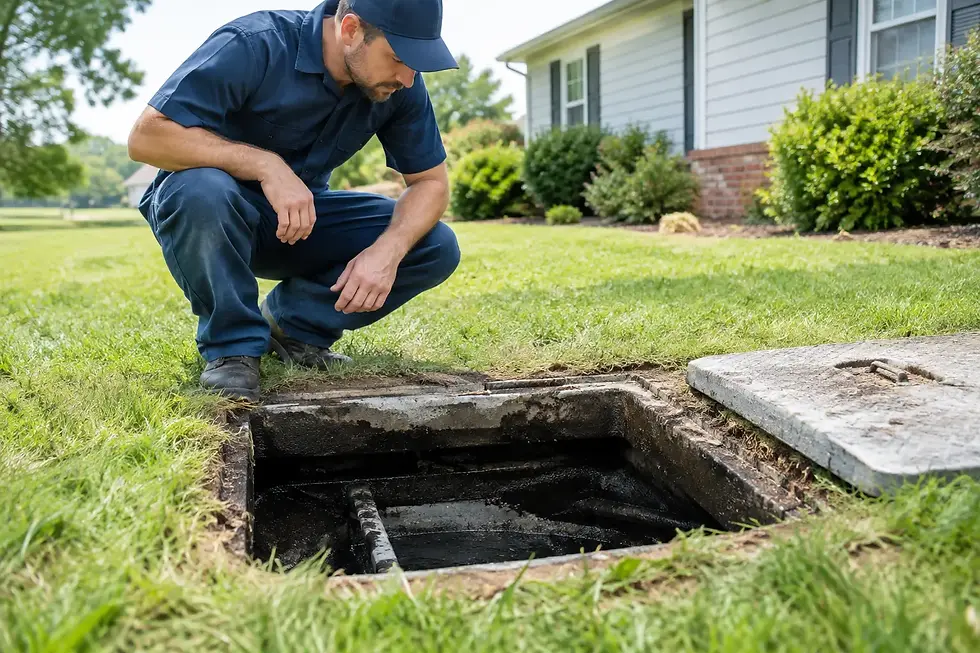
Utility trenching is the excavation work required to install, replace, protect, or expose underground service lines. The scope may be straightforward, such as running a new water line from the street connection to a house. It can also be part of a larger project involving a septic system, new construction, an addition, a detached garage, a pool, or a drainage correction.
A qualified contractor evaluates where the line needs to go, what it will cross, how deep it must be, and what conditions exist below the surface. That means looking beyond the visible yard. Ledge, hardpan, wet soils, old fill, buried debris, tree roots, existing utilities, retaining walls, and steep grades can all change the approach.
The excavation is only one part of the job. Proper utility trenching also includes safe access, trench support where conditions require it, a stable base for the line, careful backfill, compaction in lifts, and restoration of disturbed areas. When the work crosses a driveway, road, sidewalk, or landscaped area, planning the restoration is just as important as planning the excavation.
Signs It Is Time to Call a Utility Trenching Contractor
Some projects clearly require trenching, including a new water or sewer service, underground electric to an outbuilding, or utility installation for a new home. Other situations are less obvious but should not be ignored.
A water line that repeatedly freezes, a sewer line with recurring backups, low water pressure caused by a failing supply line, or an electrical line that needs to be moved out of the way of an addition are all reasons to investigate. So is standing water near a foundation, especially when the drainage solution requires a buried outlet line or dry well connection.
Homeowners should also be cautious after a previous contractor has completed poor site work. A trench that settles across the lawn or driveway, water that follows a utility path toward the house, or a line installed too shallow can point to shortcuts below grade. Those problems are not always visible at first. They often show up after the first hard winter, spring thaw, or heavy rain.
New England Conditions Change the Job
Southern New Hampshire and Massachusetts properties can present conditions that are very different from one lot to the next. Frost depth matters for water services. Rocky ground may require different equipment and more time. Wet spring conditions can make an open trench unstable or turn ordinary backfill into mud that will settle later.
That does not mean every job needs the same solution. It means the contractor should explain what the site requires and why. A clean, flat lot with open access is one type of project. A wooded property with ledge, slopes, mature trees, and existing structures is another. Honest planning accounts for those differences before work begins.
The Details That Protect Your Property
The long-term quality of a utility installation comes down to details that are easy to miss once the trench is covered. A dependable contractor should have a clear answer for how each of these parts of the work will be handled.
Utility Location and Route Planning
No excavation should begin until existing underground utilities have been identified through the proper notification process. Public utility markings are essential, but they do not necessarily identify every private line on a property. Old irrigation lines, landscape lighting, invisible pet fencing, private electric feeds, and abandoned pipes may still be present.
The route should also account for future access. Running a line beneath a future patio, retaining wall, or large concrete slab may be unavoidable in some cases, but it should never be an accidental decision. A practical route reduces conflicts now and makes future repairs less destructive.
Correct Depth, Grade, and Separation
Each utility has its own installation requirements. Water lines need protection from freezing. Sewer lines depend on consistent slope so waste moves properly. Electrical conduit may have required cover depths and separation from other services. Local codes, utility requirements, and the type of line being installed determine the final details.
This is where a contractor should avoid guessing. A trench that is simply “deep enough” is not a standard. The line must be installed at the correct depth and, where applicable, at the correct grade. Small errors can create major problems after the project is finished.
Bedding and Backfill That Will Not Settle
Sharp rocks and construction debris should not be left against a new utility line. Proper bedding creates a stable, protective base. The material used depends on the utility and the soil conditions, but the goal is the same: support the line without creating pressure points that can cause damage.
Backfill should be placed and compacted in controlled lifts, particularly beneath driveways, walkways, and areas that will receive concrete or paving. Throwing all excavated material back into an open trench may be faster, but it often leads to settlement. A sunken strip in a driveway or a dip in a lawn is not just an appearance issue. It can direct water toward the building and make a future repair more complicated.
Questions to Ask Before You Approve the Work
Price matters, but a trenching proposal should not be judged by the excavation number alone. Ask what utility is being installed, who is responsible for permits or inspections, how existing utilities will be located, and what restoration is included. If the route crosses a driveway, concrete area, or landscaping, make sure the repair work is specifically discussed rather than assumed.
It is also reasonable to ask how unexpected conditions will be handled. Ledge, unsuitable soil, buried obstructions, and unmarked private lines can affect cost and schedule. A good contractor will not promise that unknown conditions do not exist. They will explain the likely risks, document changes when needed, and discuss options before the job moves forward.
For a complete project, it helps to work with a contractor who understands the work on both sides of the trench. W. Santos Construction Services can coordinate excavation and utility installation with drainage, site development, concrete, masonry, and restoration work, reducing the handoffs that often create gaps in responsibility.
Why Cheap Trenching Often Costs More Later
A low bid may leave out items that are necessary for a finished, durable result. The contractor may be pricing only the digging, while bedding, proper backfill, compaction, disposal, restoration, permits, or connections are treated as extras. There is nothing wrong with separating costs when the scope is clear. The issue is when the homeowner believes they are buying a completed installation but receives only a trench.
The other risk is speed over workmanship. Deep excavation near structures, underground utilities, or unstable soils requires attention and experience. Rushed work can damage existing services, disturb nearby foundations, leave unsafe trenches open, or create drainage paths that were not there before.
The right solution is not always the most expensive option. Sometimes a shorter route, a different utility entry point, or coordination with another planned project can save money without cutting quality. The key is making those decisions before the trench is closed.
Plan the Restoration Before the First Bucket Breaks Ground
The best trenching projects leave behind reliable utilities, not a permanent reminder of where the work happened. Before excavation starts, decide how the yard, driveway, lawn, or hardscape will be restored. Save existing materials when practical, protect areas that do not need to be disturbed, and make sure final grading directs water away from the home.
Underground work is out of sight when the job is complete, but it should never be out of mind during planning. Ask for the route, ask about the backfill, and ask what the finished property will look like. Those conversations are how you protect both the utility line and the value of the ground above it.


Comments