


Best Driveway Drainage for New England Homes

Water running down a driveway is not just an inconvenience. In New Hampshire and Massachusetts, it can freeze into a dangerous sheet of ice, wash gravel into the road, undermine asphalt, and send water toward the garage or foundation. The best driveway drainage is not one product that works everywhere. It is a drainage plan built around your driveway’s slope, surface, soil, runoff volume, and a safe place for that water to go.
A drain installed in the wrong spot is still a problem. So is a driveway that looks level but quietly directs every storm toward the house. The right fix starts by identifying where the water starts, where it travels, and what damage it is already causing.
Start With the Direction of Water
Every driveway should shed water away from buildings and toward a controlled outlet. That sounds simple, but many drainage failures begin during excavation or paving, when the base is not shaped correctly or the final grade is rushed.
Look at your property during a steady rain or spring thaw. Water pooling at the bottom of the driveway, flowing across the garage threshold, cutting ruts into gravel, or collecting beside a foundation are all signs that the grade needs attention. Stains on concrete, washed-out stone, soft edges, and recurring winter ice are warning signs too.
The goal is not to make water disappear. It is to move it at a controlled pace through the right path without damaging the driveway, neighboring property, septic area, lawn, or foundation. A proper site evaluation also considers runoff coming from uphill woods, roofs, roads, and neighboring lots. In many cases, the driveway is only where the water shows up, not where the problem begins.
The Best Driveway Drainage Options
The right method depends on the site. A long gravel driveway on a sloped rural lot needs a different approach than a paved driveway leading into an attached garage. These are the most common solutions and where each one makes sense.
Regrading and Crowning
Regrading is often the first and most valuable correction. Asphalt, concrete, and gravel driveways need a deliberate pitch so water moves off the surface rather than settling in low spots. On many driveways, a slight crown in the center sends water toward both sides. On a driveway next to a house, a one-way slope may be the better choice if it directs water safely away from the building.
This work may involve removing and rebuilding part of the driveway base, adding suitable gravel, compacting in lifts, and restoring the finished surface. Simply dumping fresh gravel into potholes does not correct the underlying grade. It usually hides the problem until the next heavy rain.
Regrading works especially well when water pools across broad areas or travels toward the garage because the driveway was installed too flat. It may not be enough by itself when substantial uphill runoff crosses the driveway.
Swales and Ditches
A swale is a shallow, shaped channel that carries runoff across a lawn or along a driveway. A properly built drainage ditch does the same job on a larger scale. These are practical options when there is room on the property and a clear downhill outlet.
Swales can look natural and handle a surprising amount of water when their slope and size are correct. They are often useful beside long driveways, at the toe of a slope, or where water needs to be intercepted before it reaches the drive. In steeper locations, erosion control may be necessary to keep moving water from cutting deeper channels.
The trade-off is space and maintenance. A shallow swale may not suit a tight suburban lot, and a ditch full of leaves, sediment, or snow will not carry water as intended. The outlet matters just as much as the channel. Sending water into a dead-end low spot only creates a new pond.
Trench Drains at Garages and Low Points
A trench drain, also called a channel drain, is a narrow surface drain set across the path of flowing water. It is commonly installed in front of garage doors, at the bottom of a sloped driveway, or where runoff crosses a paved area.
This is often the best driveway drainage choice when water is reaching a garage entrance. The drain captures surface runoff before it crosses the threshold and routes it through solid pipe to an approved discharge area. The channel must be set at the correct elevation and bedded securely. If it sits too high, water passes over it. If it sits too low or lacks proper support, surrounding pavement can crack or settle.
Trench drains need occasional cleaning. Leaves, sand, road grit, and winter debris can clog the grate. They also need a real outlet. A drain with nowhere to discharge is not a solution.
Catch Basins and Solid Drain Pipe
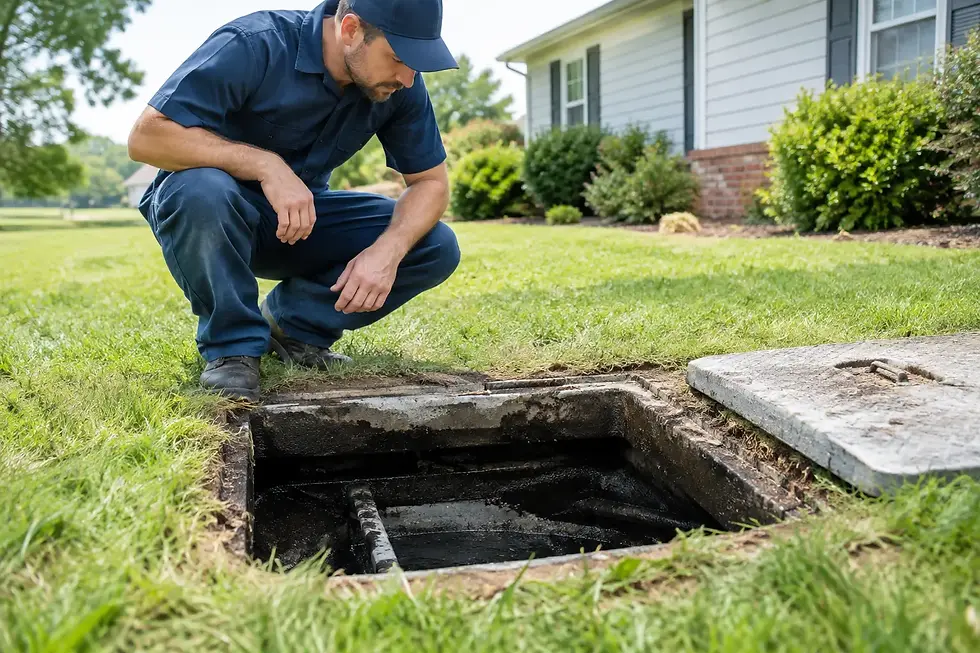
Catch basins collect runoff at low points, while solid pipe carries it away underground. This system is useful where water concentrates in one area, such as the bottom of a driveway or near a retaining wall. A basin can also collect water from trench drains or downspouts before sending it to a daylight outlet or another approved drainage area.
The basin should be accessible for cleaning, and the pipe needs sufficient slope to drain. In cold New England conditions, pipe depth, outlet protection, and the risk of freezing all deserve attention. A poorly sloped pipe can hold water, collect sediment, and fail during the time of year you need it most.
French Drains and Curtain Drains
A French drain uses perforated pipe surrounded by clean stone to collect water moving through the soil. A curtain drain is generally installed uphill to intercept groundwater or hillside seepage before it reaches a driveway, foundation, or lower yard.
These systems are effective when the issue is subsurface water, not just water running across pavement. If a driveway edge stays soft for days after rain, groundwater may be saturating the base from below. In that case, adding more surface gravel will not solve the cause.
French drains are not the answer for every situation. They require proper stone, filter fabric where appropriate, pipe placement, and an outlet. Without those details, the system can fill with sediment and stop working. They are also not a substitute for correcting a driveway that slopes directly at the house.
Culverts for Driveway Crossings
Where a driveway crosses a roadside ditch or natural drainage path, a culvert allows water to continue beneath the drive. Culvert sizing is critical. A pipe that is too small can back water up, flood the driveway, or wash out the crossing during major storms.
The ends need proper protection, the surrounding fill must be compacted correctly, and local requirements may apply, especially near wetlands, municipal drainage systems, or public roads. Replacing a failed culvert is site work, not a quick patch. The right pipe size and installation protect both access to your home and the ground supporting the driveway.
Do Not Ignore the Driveway Base
Drainage and driveway structure are tied together. Water that gets into the base can lead to frost heaves, potholes, cracked asphalt, settled pavers, and broken concrete. Gravel drives lose their shape when runoff carries fine material away. Asphalt and concrete can fail when water saturates and weakens the material beneath them.
A lasting repair may require excavation, removal of failed material, installation of a stable aggregate base, compaction, and drainage improvements before a new surface goes down. This costs more than surface patching, but it addresses the reason the driveway keeps failing. When the base is soft or the grade is wrong, a new top layer alone is money spent twice.
Avoid These Common Drainage Shortcuts
Homeowners often try to solve driveway water problems with quick fixes that create larger repairs later. Watch out for these four mistakes:
Adding gravel repeatedly without reshaping and compacting the driveway base.
Directing runoff toward a foundation, septic area, neighbor’s property, or public road.
Installing perforated pipe where solid pipe is needed to carry collected water away.
Burying a drain pipe without enough slope, a clean outlet, or protection from erosion.
Another common mistake is assuming every low spot needs a drain. Sometimes the correct repair is to rebuild the grade so water never reaches that spot in the first place. A good contractor will explain the difference rather than sell the most pipe.
Plan for Winter and Heavy Storms
New England drainage systems need to work through freeze-thaw cycles, spring snowmelt, summer downpours, and leaves in the fall. That means choosing durable materials, protecting outlets from washout, keeping surface drains clear, and making sure snowplows will not damage drain grates or catch basin lids.
If ice forms repeatedly at the same point, treat it as a drainage issue first. Salt may reduce the immediate hazard, but it will not correct the runoff that keeps refreezing. Likewise, a driveway that holds water after every storm needs attention before winter turns a manageable puddle into a safety problem.
For properties with foundation water, failing pavement, washouts, or a driveway that sends runoff straight toward the garage, the best next step is a site visit. The right repair comes from looking at the entire path water takes across the property. Done correctly, driveway drainage protects the work you can see and the foundation beneath it that you cannot.


Comments