

Understanding Excavation Project Challenges: What You Need to Know

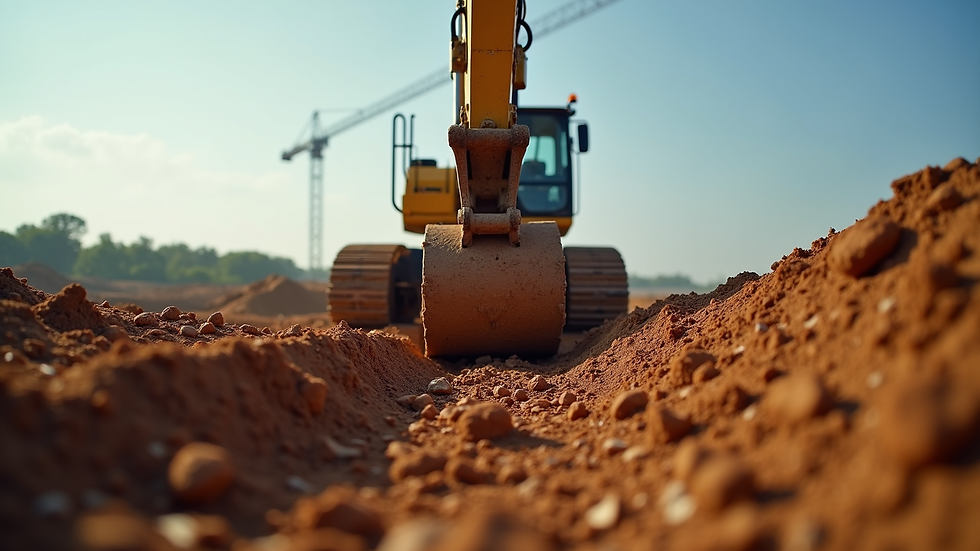
When it comes to starting an excavation project, there’s a lot more going on beneath the surface than you might think! Excavation is a critical step in construction, laying the groundwork for everything that follows. But it’s not without its challenges. From unexpected soil conditions to weather delays, these hurdles can impact your timeline, budget, and overall success. I’m here to walk you through the most common excavation project challenges and share practical tips to help you navigate them smoothly.
Common Excavation Project Challenges You Should Expect
Excavation projects often face a variety of obstacles. Knowing what to expect can save you time, money, and stress. Here are some of the biggest challenges:
Unpredictable Soil Conditions: Soil types vary widely, and what looks stable on the surface might not be underneath. Clay, sand, rock, or contaminated soil can all affect excavation methods.
Water Table Issues: High groundwater levels can cause flooding in the excavation site, making work difficult or even dangerous.
Underground Utilities: Discovering unmarked pipes or cables can halt work and require costly rerouting.
Weather Delays: Rain, snow, or freezing temperatures can slow down or stop excavation work entirely.
Equipment Breakdowns: Heavy machinery is essential but can break down, causing unexpected delays.
Regulatory Compliance: Permits, inspections, and environmental regulations must be followed carefully to avoid fines or work stoppages.
Understanding these challenges upfront helps you plan better and stay prepared for surprises.
How to Manage Excavation Project Challenges Effectively
Managing excavation challenges requires a proactive approach. Here’s how you can keep your project on track:
Conduct Thorough Site Assessments
Before breaking ground, invest in detailed soil testing and site surveys. This helps identify soil types, water levels, and any hidden obstacles.
Plan for Water Management
If your site has a high water table, plan for dewatering systems like pumps or drainage trenches to keep the area dry.
Locate and Mark Utilities
Use professional utility locating services to map out underground lines. Always double-check before digging.
Schedule Around Weather
Keep an eye on weather forecasts and plan excavation during favorable seasons. Have contingency plans for bad weather days.
Maintain Equipment Regularly
Regular maintenance reduces the risk of breakdowns. Have backup equipment ready if possible.
Stay Compliant with Regulations
Work closely with local authorities to secure all necessary permits and inspections. Keep documentation organized.
By following these steps, you can reduce risks and keep your excavation project moving forward confidently.
The Importance of Choosing the Right Excavation Partner
Excavation is a specialized task that requires experience and expertise. Choosing the right contractor can make all the difference. A trusted partner will:
Provide accurate site assessments and realistic timelines.
Use the right equipment and techniques for your specific project.
Communicate clearly and keep you updated on progress.
Handle permits and regulatory requirements efficiently.
Offer solutions when unexpected challenges arise.
For example, working with a reputable company like w. santos constructi new boston ensures you have a team that understands New England’s unique soil and weather conditions. Their commitment to quality and integrity means your project is in good hands.

Practical Tips for Homeowners and Property Managers
If you’re overseeing an excavation project, here are some actionable tips to keep things running smoothly:
Communicate Clearly: Stay in regular contact with your contractor. Ask questions and request updates.
Set Realistic Expectations: Understand that delays can happen. Build some buffer time into your schedule.
Prepare the Site: Remove obstacles like trees, debris, or structures that could interfere with excavation.
Budget Wisely: Include contingency funds for unexpected issues like soil remediation or utility relocations.
Document Everything: Keep records of permits, contracts, and communications for reference.
These simple steps help you stay informed and in control throughout the project.
Looking Ahead: Building a Strong Foundation for Success
Excavation is just the beginning, but it sets the tone for your entire construction project. By understanding and preparing for common excavation project challenges, you’re laying a strong foundation for success. Remember, every project is unique, and flexibility is key. With the right knowledge, planning, and partners, you can overcome obstacles and enjoy a smooth construction journey.
If you’re ready to start your excavation project or want expert advice tailored to your property, don’t hesitate to reach out to trusted professionals who know the local landscape inside and out. Your project deserves the best start possible!
Excavation projects can be complex, but with the right approach, they don’t have to be overwhelming. Keep these insights in mind, and you’ll be well on your way to a successful build!


Comments